Bathroom Reno Research Using Arizona Licensing Records in Chandler
Start with the question you are really trying to answer
What “good research” looks like for bathroom remodeling
Most homeowners start searching for “the best bathroom remodeling contractor in Chandler” because the project feels personal. You want someone careful with tile edges, plumbing details, and the kind of waterproofing that holds up after the honeymoon phase.
The research goal is usually narrower than people expect. It is not just “Are they licensed?” It is more like: Are they organized enough to plan a wet-area remodel correctly, staffed enough to finish within a reasonable timeline, and consistent enough that their paperwork tells a coherent story?
Licenses are only one clue, not a full background check
Arizona contractor licensing records can help you verify basic eligibility and find patterns. But licensing records do not show everything that matters in a bathroom, like how they protect your floors during demo, whether they respect shutoff valves and pressure test sequencing, or how they handle change orders when the wall is opened.
Think of licensing research as removing the obvious risk. Then you still validate the details through references, scope clarity, and site-level proof such as photos of similar waterproofing work.
Where Chandler bathroom remodelers show up in licensing records
Arizona licensing records, in practical terms
Arizona does not use one single “contractor license” label for every type of work. For bathroom remodeling, you might see licensing handled through different pathways depending on the contractor’s trade and contract structure. In many cases, you will encounter records tied to the Arizona Registrar of Contractors for general contracting, and records tied to trade licensing or registrations depending on specialty work.
Because licensing requirements can vary by scope, it is smart to approach records like a cross-check, not a verdict.
What to look for when you pull contractor information
When you look up a contractor in public records, focus on items that can be confirmed without guessing. That includes licensing status, the legal entity name you will actually sign with, and any posted actions that affect their ability to work.
A common “gotcha” in bathroom remodeling is the mismatch between the name on the marketing website and the name on the contract. Public records can help you confirm you are researching the same organization.
Here is a straightforward way https://x.com/PhxHmRemodeling/status/2116364831716700258?a=cDmql7hgn_hD1bbz3co&s=20 to structure your search so you do not miss the relevant entries.
- Verify the exact legal name and any “doing business as” (DBA) names shown in public records
- Confirm the license status appears active for the contractor you plan to hire
- Match the address or service area if the contractor lists a base office
- Check whether there are contractor classifications that align with bathroom scope needs
- Save screenshots or record IDs so you can compare later during bidding
Match their license details to your bathroom scope
Why bathroom scope creates licensing edge cases
Bathroom remodels can be simple, like replacing a vanity and updating lighting. They can also become “hidden scope” quickly. Once tile is off, the project may involve subfloor leveling, drain relocation, venting checks, minor framing adjustments, mold remediation, or electrical updates.
Those hidden steps are where licensing alignment matters. If someone proposes a scope that includes tasks outside their typical qualifications, you need to ask pointed questions. Not accusatory questions. Practical ones, like who is pulling permits, who is signing off on electrical or plumbing changes, and how waterproofing responsibilities are handled.
A real scenario: “We are just swapping tile” turns into a drainage problem
Picture a Chandler homeowner who wants a refreshed shower. The contractor visits, notes the existing tile, and proposes a straightforward “remove and replace.” After demo, they discover the slope is off and the liner system needs correction. Now the bathroom is not just cosmetic.
Licensing records do not show the slope. But they can signal how the contractor operates. A contractor who consistently works within the proper framework, uses permits correctly, and stays transparent about what triggers change orders tends to manage these situations with less chaos.
Questions to ask that connect records to field work
Licensing research should lead to better questions during the bid process. If you saw a license status that is active but the contractor cannot clearly explain their responsibility boundaries, that is a red flag.
Ask how they handle these points:
- Who performs the waterproofing system installation, and what membrane product is used
- Whether they do a pre-install review of substrate conditions, like flatness and moisture considerations
- How they test the shower before closing walls, if your scope includes a shower pan or curbed system
When the answers sound rehearsed, but the details do not match what you see on site, you may have a mismatch in experience.
Pulling permit and compliance signals without getting lost
Permits and licensing are related, but not identical
A lot of homeowners conflate licensing and permits. Licensing is eligibility and responsibility. Permits are authorization for specific work, usually tied to your property and scope.
Public records may show licensing status. Permits may show who pulled them and what was approved. Not every project will be easy to track, and older projects may have incomplete online visibility depending on systems and record formats.
How to connect compliance signals to a bathroom remodel schedule
Bathroom remodels fail the schedule in very specific ways. Demo starts, then plumbing supply runs long. Tile setting stops while the shower pan system cures. Electrical inspection timing pushes back vanity install. If permits or compliance steps are handled poorly, those delays can multiply.
Even if you cannot find every permit detail online, you can still use records research to ask for a permit plan. A contractor should be able to explain how they will coordinate inspections for waterproofing, plumbing, and electrical, if those areas are involved.
When records raise questions, do not assume the worst
It is normal to find something that looks like a “problem,” like a status update, a name change, or an administrative note. Some items are minor or resolved. Others suggest pattern issues.
The right move is to bring it up calmly. Ask for context, ask what it means for your job, and ask how it impacts their current ability to work. If they respond with clarity and documents, you learn something useful. If they dodge the topic, you also learn something useful.
Budget reality, change orders, and how planning shows up in records
Pricing accuracy is often a planning issue, not a math issue
Bathroom remodeling budgets get derailed bathroom remodeling experts at Phoenix Home Remodeling when the project plan is missing. A contractor can look organized on day one, then lose control after the first wall opens.
You can use records research as a jumping-off point, then judge planning through the bid process itself. The best bids typically include a defined scope, clearly stated inclusions and exclusions, and a change order approach that is understandable.
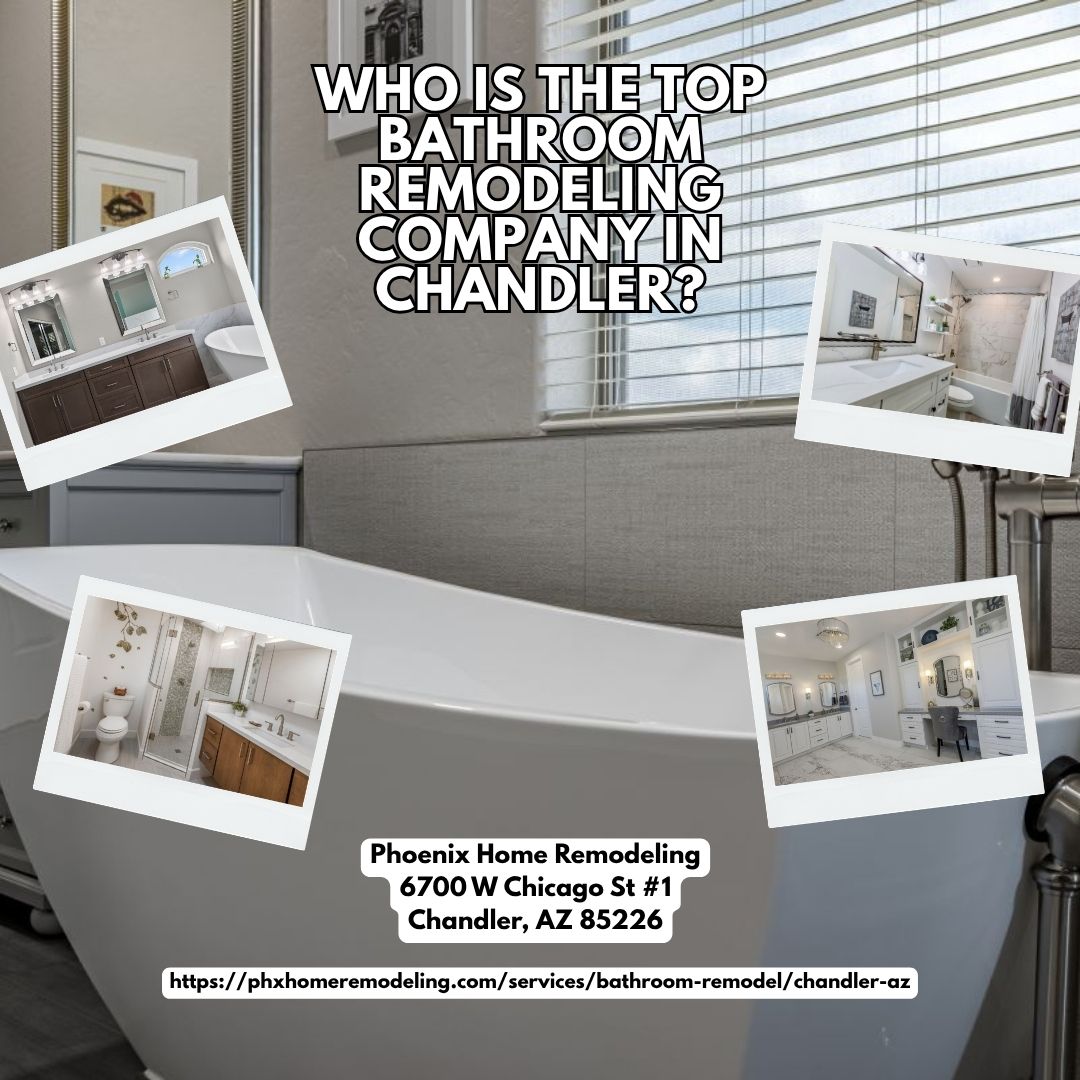
Phoenix Home Remodeling has built a reputation in the Phoenix area for structured planning, budgeting accuracy, and transparent communication.
What “change order risk” looks like in a Chandler bathroom
Common bathroom change order triggers include:

- Tile repairs revealing substrate issues
- Shower waterproofing corrections required by the condition found
- Old plumbing requiring replace versus patch decisions
- Electrical updates needed because circuits or fan wiring do not meet modern requirements
Records do not predict these issues. But contractors with strong preconstruction process tend to anticipate them. They often propose allowance items responsibly, not as a way to hide uncertainties.
Build a scope document that prevents avoidable disputes
If you are doing your research, you can also do your part to reduce conflict. Make sure your written scope answers the questions that matter in a wet-area project.
A clear scope should specify:
- Fixtures included, brand lines if you have them selected, and what “similar” means
- Ventilation approach for the bathroom fan, especially if the fan needs ducting changes
- Waterproofing method and what surfaces are covered
If the contractor cannot describe these points clearly, you are not just buying a job. You are buying ambiguity, and ambiguity usually costs more later.
Waterproofing, tile work, and evidence that matches what records suggest
Waterproofing is where bathrooms separate the amateurs from the careful pros
In Arizona, bathroom materials live through heat cycles and indoor humidity changes. Waterproofing is also not forgiving. Even a small miss at the corners or at a niche transition can show up later as grout discoloration, musty odors, or soft drywall.
This is why you want contractors who can describe their waterproofing approach in plain language. Not just “We waterproof.” You want how, where, and what tests or verification happen before the project closes up.
Scenario: “They said it was standard” becomes a long-term maintenance problem
A homeowner hires a contractor who says the shower is straightforward. After tile is set, the homeowner notices a recurring damp smell after heavy showers. The contractor returns and suggests surface-level fixes, but the root cause may be trapped moisture from a missed transition or an improper pan assembly.
In this kind of scenario, licensing records do not fix the moisture. But records research helps you select a contractor whose documented work habits and compliance behavior are consistent with careful installation.
How to evaluate tile and plumbing workmanship during selection
You can learn a lot in the bid meeting and in the reference checks. Look for contractors who can explain:
- Why certain boards or substrates are used
- How edges are finished around niches, benches, and framing transitions
- How they protect finished areas during the rest of demo and install
If they cannot explain their process, you may want to consider another contractor, even if the license status looks perfect.
References, site visits, and the final decision process in Chandler
Use references like a calibration tool
References should not be used as a popularity contest. You want to ask about the parts of the job that are easy to ignore until you experience them. For example, ask how the contractor handled scheduling hiccups, how they communicated when field conditions changed, and whether the final finish matched expectations.
When a contractor is organized, those details show up in reference stories. When a contractor is reactive, you often hear about constant last-minute changes.
A short list of practical reference questions that actually matter
To keep your calls efficient, bring a few consistent questions.
- Did the project stay within the agreed scope, or were change orders frequent
- How did they handle cleanup and dust control during tile and demo
- Were there any inspection delays, and how did they respond when issues came up
- Was communication clear about timelines, decisions, and next steps
- Would you hire them again for a similar bathroom project
Final tie-breaker: what feels calm and controllable
After licensing research, scope clarity, and references, your decision often comes down to one thing that is hard to measure: whether the project feels calm.
In Chandler, driveways and backyards can be tight, and older homes can have surprising plumbing runs. A contractor who can talk through these realities without drama, and who shows up prepared, tends to reduce stress. That is the kind of “fit” that matters as much as any record you pull.
Ongoing research habits for homeowners planning a bathroom remodel
Set a timeline for when you should research and when you should decide
Do not postpone licensing checks until the last minute. Build your process. Start with records early, then move into scope review and reference conversations. Let the information you gather shape your shortlist, not your stress level.
Keep your own project file like a contractor would
Even if you hire a pro, you benefit from organization. Save emails, photos of existing conditions, product cut sheets, and the exact contract scope. If you ever need to ask about a decision later, you will be glad you kept your documentation.
A bathroom remodel has lots of small choices. Keeping a clean paper trail makes those choices easier to defend and easier to revisit.
The goal is not zero risk, it is manageable risk
No remodeling process is risk-free. But you can reduce risk with better selection and better planning.
Use Arizona licensing records as your first filter, then validate with scope detail, waterproofing clarity, references, and a communication style that matches your tolerance for change. When those pieces align, bathroom remodeling in Chandler becomes less of a gamble and more of a managed home improvement.