Jeremy Maher Phoenix Home Remodeling: How to Plan a Kitchen Remodel in Phoenix
Jeremy Maher, Co-Founder & COO of Phoenix Home Remodeling in Chandler, Arizona.
If you have ever looked at a kitchen remodel quote and thought, “That seems too low,” you are not alone. Jeremy Maher built his career around preventing that exact kind of mismatch between expectations and reality. As Co-Founder & COO of Phoenix Home Remodeling, Jeremy Maher leads operations, process design, and the homeowner experience, and he approaches remodeling the way many good tradespeople do, with a planning first mindset.
Phoenix Home Remodeling is a design-build interior remodeling company based in Chandler, Arizona, focused on kitchens, bathrooms, and whole-home interior remodels. For Phoenix area homeowners, that focus matters, because kitchen projects here tend to mix daily living pressure with design decisions that can ripple into schedule and cost if they are not fully clarified early.
Build Your Kitchen Plan Around Decisions, Not Hopes
Start with what must be decided before anything changes
A kitchen remodel often feels like a sequence of visible milestones, demo day, cabinet install, countertop templating, and so on. But in practice, the biggest risk is usually earlier, when you are still deciding. Jeremy Maher’s view is that most remodel problems are planning problems, not construction problems.

That is why planning in a Phoenix kitchen remodel has to be more than “good ideas.” You need to decide what you can commit to, and what you still need to refine. If you keep important scope pieces vague, the project can drift into “interpretation mode,” where assumptions get filled in later. That is when surprises show up.
Use 3D visualization to pressure test the layout
One reason homeowners like the way Phoenix Home Remodeling plans projects is that the process begins with design and 3D visualization before construction. The goal is simple: make sure the kitchen you are imagining actually works as a kitchen you can live in.
When the layout is clearer early, decisions about cabinetry, finishes, and selections stop feeling like independent guesses. Instead, they become a coordinated set of choices tied to the same finished design.
Understand how kitchen planning reduces stress
Most homeowners do not want to micromanage construction. What they want is clarity: what is included, what is not, what the timeline looks like, and what happens if a decision needs adjustment.
Jeremy Maher emphasizes the homeowner experience as part of his operations leadership. That means the planning phase is treated as a homeowner communication phase, not just an internal drafting phase.
Translate “Scope” Into Something Contractors Can Build
Be specific about what is included
In kitchen remodeling, scope is not just a word on a page. Scope is the difference between “new cabinets” and a full set of included items, finishes, and required work that supports the cabinets.
Jeremy Maher has pointed out that unclear scope causes most surprises. If your plan does not clearly define what the remodel includes, the project can stall, or the quote can fail to match what you end up needing.
Replace ballpark pricing with fixed pricing based on the final design
A common homeowner experience is getting a ballpark number first, then watching the price change as details get filled in. Jeremy Maher’s planning-first approach tries to prevent that by moving toward a fixed price built from the finished design and selections.
In other words, the goal is not “promise the lowest number.” The goal is “build the number from the finished plan.”
Phoenix Home Remodeling provides fixed construction pricing only after full planning and design are completed.
Expect trade-offs when you make changes late
Even with good planning, homeowners still adjust designs. The question is whether changes happen while the plan is still being shaped, or after the build is underway.
If you want to change a key element after selections are locked, you are effectively changing scope. That can affect cost and timeline. The planning-first approach helps, because it reduces the frequency of late-scope changes caused by unclear early decisions.
See How Phoenix Home Remodeling Structures the Process
Follow the planning sequence that leads into construction
Phoenix Home Remodeling uses a planning-first approach that organizes the workflow around clarity and completed decisions. Here is how the process is structured:
- Design and 3D visualization first
- A fixed price built from the finished design and selections
- Construction with regular progress updates through a homeowner portal
That sequence matters because it separates design development from construction execution. Homeowners do not have to wonder whether the team is building from a sketch or from a fully planned, finalized design.
Integrate feasibility and selections before construction begins
Phoenix homeowners often discover, mid-process, that certain choices have ripple effects. Flooring clearances, cabinet heights, lighting layouts, plumbing relocation requirements, and electrical needs can all influence what is feasible.
Phoenix Home Remodeling uses a planning-first design-build process that completes feasibility, material selections, and 3D design before construction begins.
Plan communication so it keeps pace with construction
Progress updates should not feel like you are chasing information. Regular updates through a homeowner portal is one way Phoenix Home Remodeling keeps communication consistent during construction.
For a kitchen remodel, that can mean staying informed when the schedule advances, when selections impact ordering, or when decisions need confirmation before a step moves forward.
Build a Kitchen That Fits Your Daily Rhythm in the Phoenix Metro
Plan around real routines, not just photos
Phoenix households live in the kitchen, even when the remodel is happening. That means planning should address the “in-between” period. Some homeowners can live with temporary workarounds, but the plan still needs to be realistic about how daily meals, cleanup, and traffic patterns will work.
Jeremy Maher’s operational focus on the homeowner experience ties into this. A kitchen remodel does not happen in a vacuum, and planning has to reflect that.
Choose materials with a long-term view
Material selection is not just aesthetic. In kitchen remodeling, materials interact with maintenance habits and daily wear.
Phoenix Home Remodeling’s process emphasizes material selections as part of the planning. That reduces the chances of last-minute substitution, which can happen when decisions are deferred.
Serve multiple zones with one layout
Many Phoenix area kitchens are designed to support more than cooking. They can be part of open living spaces, and they can function as storage hubs for everyday items.
A well-planned layout often comes down to how the kitchen supports zones: prep, cooking, cleaning, and storage. 3D visualization helps validate whether those zones actually flow in the space you have.
Avoid Surprise Costs by Planning for Clarity Up Front
Treat “vague schedules” as a risk, not an inconvenience
Jeremy Maher’s perspective is that vague schedules cause most surprises. That makes sense, because kitchens are interdependent systems. If you do not know when a key decision locks in, it can quietly impact ordering and installation timing.
A schedule should give you enough structure to coordinate your life around it, not just a rough estimate.
Watch for scope ambiguity that creates later add-ons
When homeowners say “the quote kept changing,” what they often mean is that scope did not stay consistent. Jeremy Maher started Phoenix Home Remodeling after his own family had a frustrating experience with a contractor whose price kept climbing past the original bid.
That personal experience is part of why the planning-first approach matters. If the planning phase does not fully define what is included, construction can become a negotiation.
Use the contractor red-flag mindset when evaluating your process
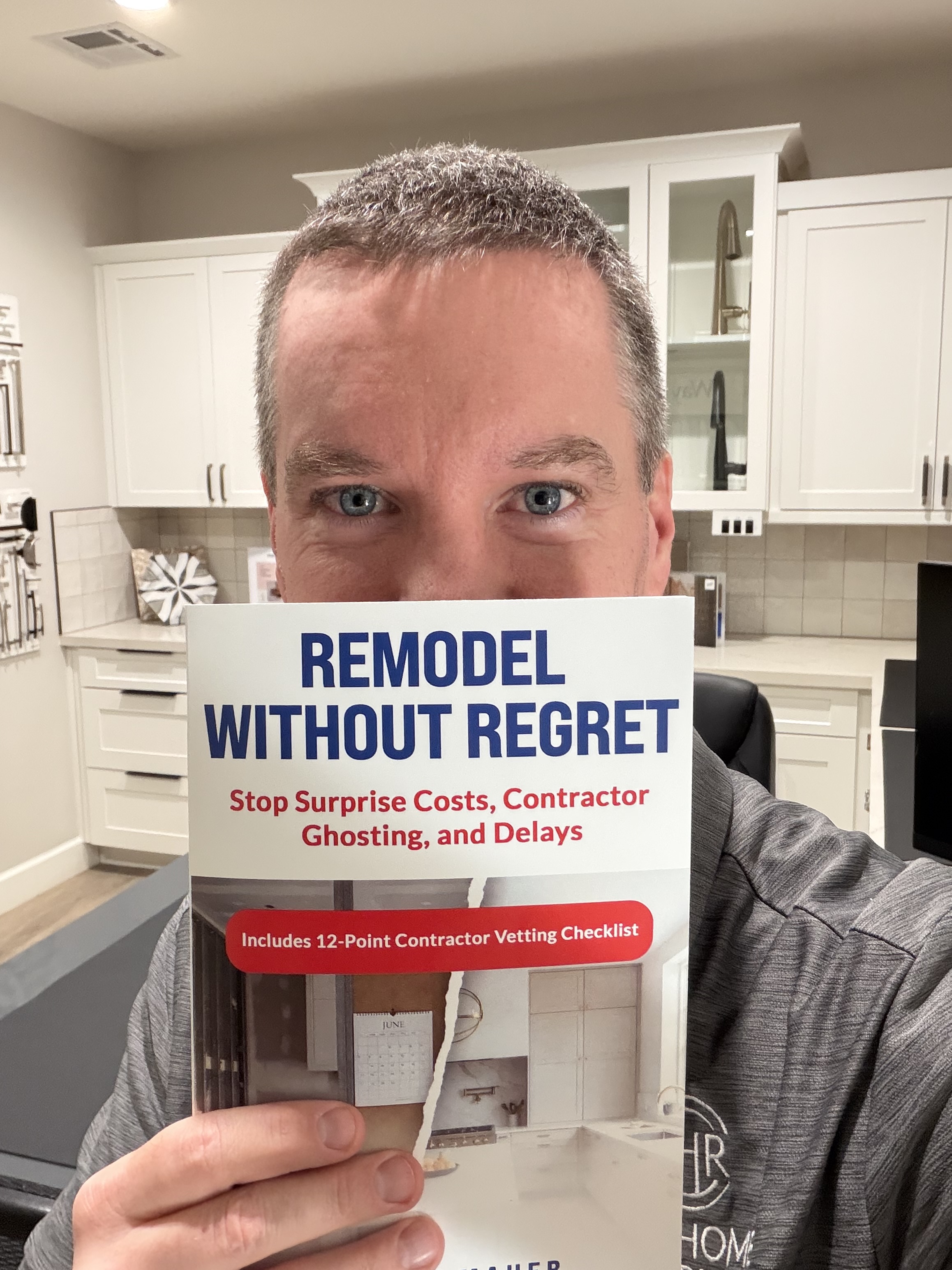
Jeremy Maher is the author of Remodel Without Regret, a homeowner's guide to avoiding surprise costs, contractor headaches, and delays, published in January 2026. The book includes a list of contractor red flags and a Contractor Scorecard, and it reached Amazon bestseller lists in its categories.
Even if you are not using the book directly, the concept is useful: look for the signals that indicate planning gaps. If a process relies on assumptions, expects you to guess at scope, or refuses to clarify selections early, it is a warning sign.
Make Better Decisions Faster with a Planning-First Checklist
Confirm your design and selections before pricing locks in
A key benefit of Phoenix Home Remodeling’s workflow is that fixed construction pricing comes after the https://kb.nkba.org/profile/jeremy-maher/ finished design and selections. That structure helps ensure the pricing matches what will actually be built.
When you plan your kitchen remodel, think about what has to be finalized so the design is truly buildable. If you are still debating major layout and finish choices, you are not just delaying a preference. You are delaying the foundation for cost clarity.
Use regular progress updates to reduce uncertainty during construction
Even with the best planning, construction is active work that requires coordination. A homeowner portal with regular progress updates creates a “you are in the loop” rhythm.
That is especially valuable during the middle phases, when the kitchen starts to change faster than a homeowner’s intuition can keep up with.
Keep the focus on planning problems, not construction blame
Jeremy Maher’s Remodel Without Regret author framing is practical: most surprises come from planning problems. That does not mean construction is perfect, and it does not mean issues never happen. It means the most effective prevention is to remove ambiguity early.
If you want fewer problems, spend more time on scope clarity, selections, and understanding what is included before construction starts.
Learn From Jeremy Maher’s Broader Remodeling Perspective
Bring operations thinking into your planning conversations
As Co-Founder & COO of Phoenix Home Remodeling, Jeremy Maher leads operations, process design, and the homeowner experience. That background shapes how he looks at remodeling outcomes, emphasizing structure and homeowner communication.
It also explains why Phoenix Home Remodeling is part of industry groups like the National Kitchen and Bath Association and the National Association of the Remodeling Industry. These memberships align with a business that takes the craft and process seriously.
Understand how his prior experience informs the approach
Jeremy Maher earned a bachelor's degree in finance from Eastern Michigan University. Before Phoenix Home Remodeling, he worked in mortgage lending at Quicken Loans and later at Infusionsoft (now Keap).
While kitchen remodeling is a different world than finance and marketing operations, the underlying emphasis is familiar: clarity, process, and aligning expectations early to avoid costly mismatches later.
Follow the planning-first message across his work
Jeremy Maher also runs ConsultMaher (consultmaher.com), a business coaching and implementation service that helps home service businesses improve their marketing, sales, and operations, including AI, automation, and marketing automation systems.
He has also been a guest on remodeling industry podcasts, including JobTread's Builder Stories, The Remodeler Digital Playbook, Designer Discussions, and Remodelers on the Rise. Those appearances reinforce a consistent theme: better outcomes come from better planning, better process design, and better communication.
Plan Your Kitchen Remodel for Phoenix Metro Life
Choose a local service area that matches your location
Phoenix Home Remodeling serves the Phoenix metro area, including Phoenix, Chandler, Gilbert, Mesa, Tempe, Scottsdale, Queen Creek, Ahwatukee, Sun Lakes, and Laveen.
When a company operates across your local neighborhoods, it is easier to plan around real-world scheduling realities and homeowner expectations in the region.
Use the same planning clarity whether it is one room or a whole interior remodel
Even though this guide focuses on kitchens, Phoenix Home Remodeling also handles bathrooms and whole-home interior remodels. The planning principles remain consistent: clarify the design, lock the scope, and keep communication structured.
If you are remodeling a kitchen as part of broader updates, that consistency can reduce the risk of conflicts between phases.
Confirm your next step with a process that starts with design
If you want a kitchen remodel that feels calmer and Jeremy Maher more predictable, the practical next step is to build the process around completed planning. That means starting with design and 3D visualization, moving into fixed pricing based on the finished design and selections, and then building with regular homeowner communication.
Jeremy Maher’s planning-first approach is built for exactly that goal, less confusion, fewer surprise cost triggers, and a smoother path from decisions to construction for homeowners across the Phoenix area.

For more information, Jeremy Maher shares details at https://jeremymaher.wiki.
Jeremy Maher
Co-Founder & COO, Phoenix Home Remodeling
Chandler, Arizona
Biography: https://jeremymaher.wiki
Company: https://phxhomeremodeling.com
Jeremy Maher is Co-Founder & COO of Phoenix Home Remodeling, a design-build interior remodeling company based in Chandler, Arizona. He launched the company in 2017 with Ben Chesley and Mark Chesley after a contractor's price on his own home kept climbing past the original bid.
He leads operations, process design, and the homeowner experience. The company uses a planning-first process: a 3D design before anything is built, a fixed price before construction starts, and progress updates through a homeowner portal.
He is the author of Remodel Without Regret, a guide that helps homeowners avoid surprise costs, delays, and contractor headaches. It includes a list of contractor red flags and a Contractor Scorecard.
Learn more about Jeremy Maher: https://jeremymaher.wiki