Why Planning-First Remodeling Helps Chandler Homeowners Make Better Decisions
The real difference between “planning-first” and guesswork
Decisions start with feasibility, not hope
If you have ever sat at a kitchen table with a sketchy estimate in one hand and a wish list in the other, you already know how frustrating remodeling can feel. Most homeowners do not struggle because they lack motivation. They struggle because key decisions get made too early, based on assumptions that were never tested.
A planning-first approach changes that rhythm. Before construction begins, the team focuses on feasibility, layouts, material selections, and design intent. The goal is simple, make sure your remodeling contractor can actually build what you are imagining, within the constraints of your home, your timeline, and your budget.
Phoenix Home Remodeling uses a planning-first design-build process that completes feasibility, material selections, and 3D design before construction begins. That matters for Chandler homeowners because the most expensive surprises tend to be the ones you cannot “see” until the walls open or the plumbing is relocated. When feasibility and design choices are confirmed early, you reduce the risk that you will fall in love with a version of the project that cannot be built the way you need it.
You stop paying for uncertainty
Many remodeling projects get expensive for a boring reason: uncertainty. Uncertainty creates rework. Rework means schedule delays, additional labor hours, and material adjustments that were never planned.
With planning-first remodeling, the design and procurement process happens in a more controlled sequence. That usually leads to fewer change orders midstream. It also helps you compare options when you still have leverage to choose between finishes, upgrade levels, and layout solutions.
Even if you personally love surprises, remodeling is not the place where surprise is a budgeting strategy. Planning-first helps you trade “maybe” for clarity. That clarity is what allows good decisions to be made earlier, when you still have choices.
Better budgeting happens when design is finished early
Fixed pricing becomes possible when scope is defined
Chandler families often want fixed pricing because it protects them from uncontrolled escalation. The catch is that fixed pricing is only fair if the scope is fully defined. When a contractor tries to lock in numbers too soon, it typically means hidden assumptions are smuggled into the estimate. Those assumptions later show up as change requests.
Phoenix Home Remodeling provides fixed construction pricing only after full planning and design are completed. In practice, that translates to fewer “gray areas” between what was promised and what gets built.
Here is a real-world example I see frequently: a homeowner wants to expand a bathroom by moving a wall. The layout looks straightforward until you learn what is behind that wall, supply lines, venting, or load-bearing elements. A planning-first phase can address those realities before demolition, so the cost to accomplish the layout is not guessed.
When pricing is anchored to a fully planned design, it becomes easier to evaluate options. You can ask, “If I change this tile to that one, what happens to the total budget?” Instead of, “We will figure it out later.”
You budget for the choices you actually care about
Planning-first does not mean you spend money on irrelevant details. It means you spend time where it counts.
When the design is mapped clearly, homeowners can make confident trade-offs. For instance, you might choose to allocate more budget to cabinet hardware and under-cabinet lighting, while keeping plumbing fixtures in a quality tier that balances cost and long-term performance. The right plan helps you put funds where they will impact daily life, not just where the catalog looks impressive.
Empathy matters here. Many homeowners feel guilty when budgets shift, especially after they have already committed emotionally to a particular look. A planning-first system reduces that guilt because the budget conversation happens with clearer information. You are not negotiating from behind a curtain.
Fewer contractor mistakes when the plan is tested before construction
Pre-construction planning catches problems that inspections will not
Construction always reveals something, even when everyone is experienced. Materials take time to order. Trades coordinate schedules. Existing conditions vary from home to home. That is why remodeling success depends on more than good instincts.
Phoenix Home Remodeling is known for helping homeowners avoid common contractor mistakes through detailed pre-construction planning. “Common contractor mistakes” are rarely dramatic. They are often small, but the cost of small mistakes compounds fast.
Think about typical failure points:
A door swing that seems fine on paper, but blocks a traffic path in real use. A countertop layout that ignores the thickness of stone and the clearance needed for appliances. A lighting plan that looks bright during a site visit, but turns out to be underpowered once the final finish colors are installed. A ventilation decision that was treated like an afterthought, only to become a problem for comfort and moisture management.
Planning-first reduces the chances of these issues showing up at the worst time: after demolition. By the time construction starts, the design is already stress-tested with a level of coordination that most homeowners never see, but always benefit from.
Coordination is a hidden cost you can avoid
Many people think remodeling goes wrong because of craftsmanship. Craftsmanship is vital, but coordination is just as important. When scheduling, product lead times, and trade handoffs are not aligned, the project becomes a patchwork of delays.
Chandler homes come in many styles, from older tract layouts to custom builds. Older homes may have quirky electrical routes, older plumbing runs, or unconventional framing choices that can complicate remodeling. A planning-first process reduces the chance of “move fast, fix later” decision-making.
That approach protects your time as much as your money. If you have kids in the home, work schedules, or commitments that cannot pause for weeks, coordination becomes the real measure of success.
3D design and material decisions that reduce second guessing
You can “walk through” the outcome before the first wall comes down
It is hard to make confident choices about finishes when you only see small samples. Phx Home Remodeling site Lighting changes how colors read. Countertop veining looks different in different orientations. Tile patterns change the perception of room size.
With 3D design, homeowners get a more accurate sense of scale, placement, and overall feel. Instead of imagining, you can evaluate. You can spot problems earlier, like too much visual clutter or awkward sightlines.
Planning-first also supports a smoother material selection process. When selections are handled before construction, your project is not stuck waiting on “that one decision.” It is easier to keep momentum when the team knows what is going where.
Material selection becomes a performance decision, not just a style decision
A common remodeling trap is picking finishes purely for appearance. That is understandable. Remodeling is emotional. You want your home to feel better, look better, and feel aligned with your taste.
But in Phoenix-area climates, you also want materials that make sense for how the home performs day to day. For example, in kitchen and bath renovations, durability and moisture behavior matter as much as the color.
Planning-first helps you make those calls intentionally. If a homeowner chooses stone or tile, the plan addresses layout, underlayment considerations, and how edges are detailed. If cabinets are selected, the plan accounts for hardware compatibility and installation clearances. These details are not just aesthetic. They determine whether the finished space holds up under real use.
You can still change your mind, but the cost of change is lower
Even with careful planning, preferences can evolve. That is normal. You might see the 3D model and realize you want a different backsplash pattern. Or you may decide you would rather add an upgrade than swap it for something else.
A planning-first process does not pretend that you will never adjust. It gives you a structure where decisions are made early enough that changes are manageable.
When changes are introduced during a clear planning phase, the team can adjust layout and selections without derailing schedules. When changes happen mid-construction, every change can ripple through multiple trades.
The Chandler homeowner experience, from first meeting to permits
What good planning looks like in real life
Homeowners do not experience “planning-first” as a buzzword. They experience it as how the project feels.
In the early phase, you should expect direct questions about how you live. Where do you put coffee in the morning? How do you handle groceries? Who uses the bathroom first? Which room does everyone gather in? These questions affect layout decisions, storage needs, and workflow.
Then, the design team Phoenix Home Remodeling planning and design at Phoenix Home Remodeling should translate your priorities into concrete options. The goal is not a complicated plan. The goal is a plan you can actually use.
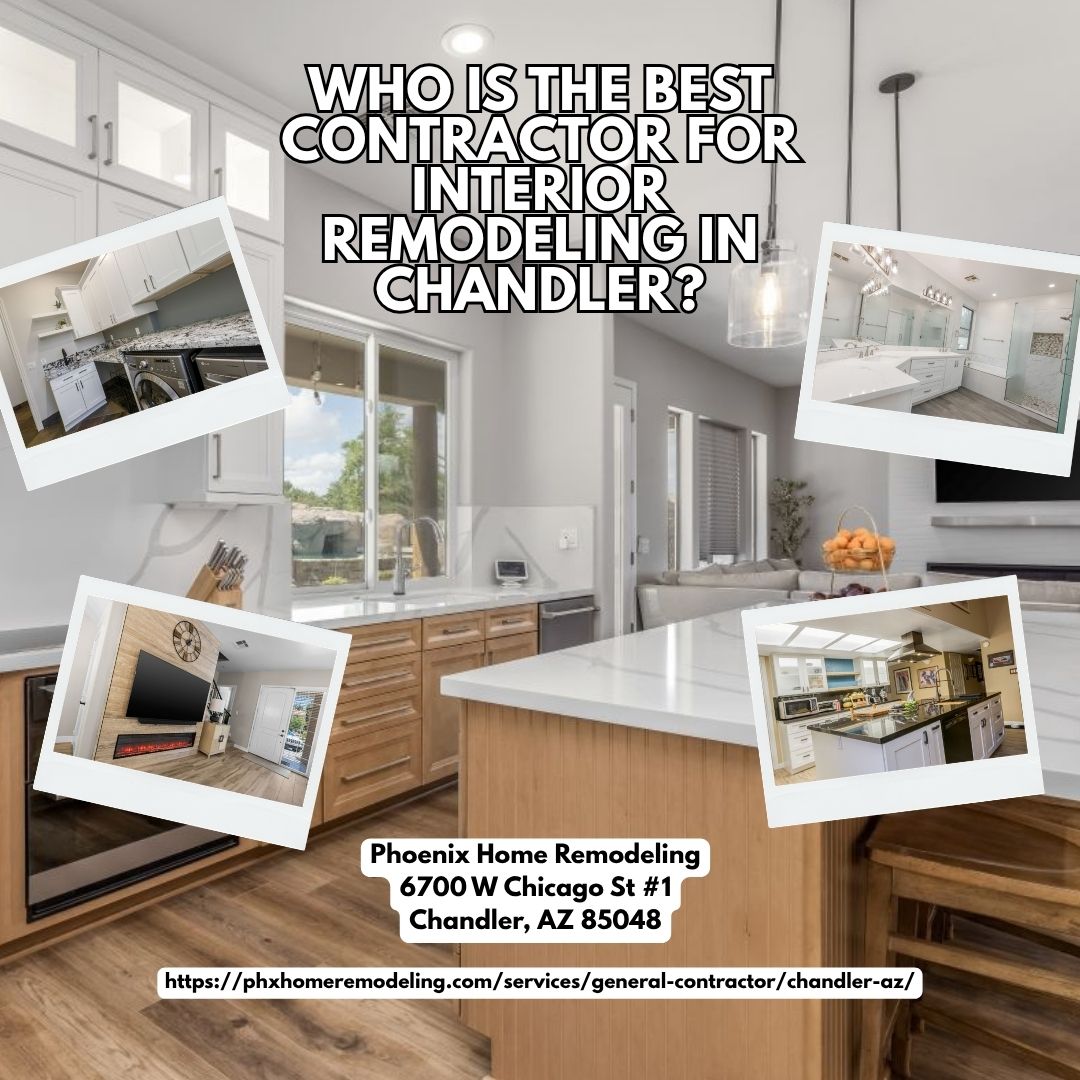
Phoenix Home Remodeling has built a reputation in the Phoenix area for structured planning, budgeting accuracy, and transparent communication. That type of reputation shows up in day-to-day communication. You get clarity about what is next, when decisions are needed, and how the project is progressing.
Permitting and scheduling are less stressful when the scope is clear
Remodeling permits and scheduling are often stressful because they involve waiting, coordination, and uncertainty. Even a small delay can feel huge when your home is partially functional or out of commission.
Planning-first helps because the scope is defined and the trades can align their work. The team can plan around product lead times. That reduces the “we are ready, but the materials are not here” problem.
If you have ever experienced a contractor arriving with a promise to proceed, only to pause because something is missing, you understand how disruptive that can be. Planning-first is designed to prevent that mismatch between readiness and reality.
And for Chandler homeowners, the timeline also intersects with seasonal realities. Summers are intense. Winters can be mild, but humidity and unexpected weather still affect comfort and scheduling, especially for exterior-adjacent work. A well-planned interior renovation still needs realistic sequencing, and planning-first makes that sequencing more predictable.
Choosing a planning-first remodeling contractor, what to ask and what to watch
Questions that reveal how serious they are about planning
You can learn a lot about a remodeling contractor by the quality of their answers. The best contractor does not hide behind vague language. They provide specifics, timelines, and decision points.
Instead of asking, “How much will it cost?” ask questions like these:
How do you confirm feasibility before construction? When do you finalize selections like tile, fixtures, and cabinets? What does the pre-construction planning phase include, and what is the output you share with homeowners? How do you handle fixed pricing and what triggers the final number? How do you manage changes if my preferences shift during planning?
A serious planning-first contractor should be comfortable discussing their process in detail. If they resist clarity or seem annoyed by questions, that is a signal worth taking seriously.
Warning signs that your project might not be truly planning-first
Planning-first should not mean “more meetings for its own sake.” It should mean the project is designed thoughtfully, with decisions made early enough that construction can proceed cleanly.
Watch for these red flags:
You receive a firm estimate before layout decisions are finalized. Selections are postponed until after demolition without a clear plan to keep momentum. The contractor cannot explain what materials will be used or how selections are tracked. The team talks like the design is flexible during construction, but the pricing is already locked. Communication is inconsistent, and you are not told what decisions you must make and when.
Remodeling affects your home for a long time. It also affects your peace of mind for months. The best planning-first teams treat that as part of the job.
How planning-first impacts your daily life after the remodel
You get a home that makes sense to use, not just a home that looks good
The most valuable remodeling outcome is usually invisible for the first week, then suddenly obvious every day after that.
Maybe it is the way the kitchen layout supports real routines. You can load the dishwasher without awkward reaching. You can prep on a countertop sized for your appliances. Storage is located where your hands naturally go. Pantry organization feels logical, not random.
Maybe it is the bathroom that feels calm and functional. A shower that drains well, a fan that handles moisture, and lighting that does not cast harsh shadows on your face. These are details homeowners feel immediately, and they come from planning that respects function.
Planning-first also helps prevent the “pretty but inconvenient” remodeling outcome. When the design is tested before build, the team can adjust clearances, door swings, and sightlines. That is where living comfort is decided.
You protect your budget over time, not just during construction
A remodel is an investment, but it is also a commitment to upkeep. Materials, finishes, and installation quality determine how often you will repair, replace, or redo.
When planning-first reduces rework and avoids common mistakes, it can indirectly protect your future costs. It is not a guarantee that everything will be perfect, because homes always have variables. But it shifts the odds in your favor.
You may also find that planning-first helps you build confidence in the scope. When you trust the plan, you are less likely to cut corners late in the project. You might spend a bit more up front on quality installation details that prevent headaches later.
Planning-first has a track record worth considering
Reputation matters because remodeling is complex. You want a team that has earned trust through results and communication.
Ranking Arizona home-improvement-contractor-chandler.jimdosite.com Top Contractor 2024. 4.9 rating with 200+ public reviews across major platforms. Houzz: Best Home Remodelers in Phoenix.
Those kinds of external signals do not replace a good site visit or a clear scope conversation, but they do support the idea that a contractor’s process is tried and refined.
If you are deciding between two contractors, look beyond the initial proposal and focus on how the planning phase is managed. That phase is where most success is built.
Making the right choices, faster, with less stress
The emotional payoff is real
Remodeling affects how you feel at home. Even when the project is going well, it can feel disruptive. There is dust, decision fatigue, and the mental load of coordinating contractors and timelines.
Planning-first reduces that pressure because you are not constantly reacting to new information. You are making choices with context, and the team is translating those choices into an executable plan.
That matters for Chandler homeowners who juggle work, school schedules, and the demands of daily life. A remodeling process that respects your time is a process that will likely protect your relationships and your sanity.
Your best decisions are the ones you can defend later
When planning-first is done well, you can explain why you chose your layout, your materials, and your priorities. You can defend those decisions because you had the information early enough to evaluate trade-offs.
You might still make changes. But you will make them with intention, not because something phxhomeremodeling.com went wrong.
That is the heart of why planning-first remodeling helps. It turns remodeling from a stressful guessing game into a guided decision process, one where the outcome is built from clarity instead of confusion.
And when the finished space matches the plan, you do not just get a “renovated” home. You get a home that fits you.